
The Leaves Are Changing. So Is Cybersecurity.
Mark Niemi, Vice President of Cybersecurity Services
As northern winds arrive and leaves quickly change color across the Midwest, we are reminded that it’s Cybersecurity Awareness Month once again.
But this season, Cyber Month feels…different.
The technology landscape continues shifting, bringing business risk, compliance and technology closer together than ever before. Fraud is increasingly crossing boundaries of financial crime, technology, and cybersecurity, while AI continues to accelerate change. Technology and cybersecurity are also evolving with AI much like those prevailing winds of change and our levels of risk quickly changing like leaves; greens to yellow and oranges to reds.
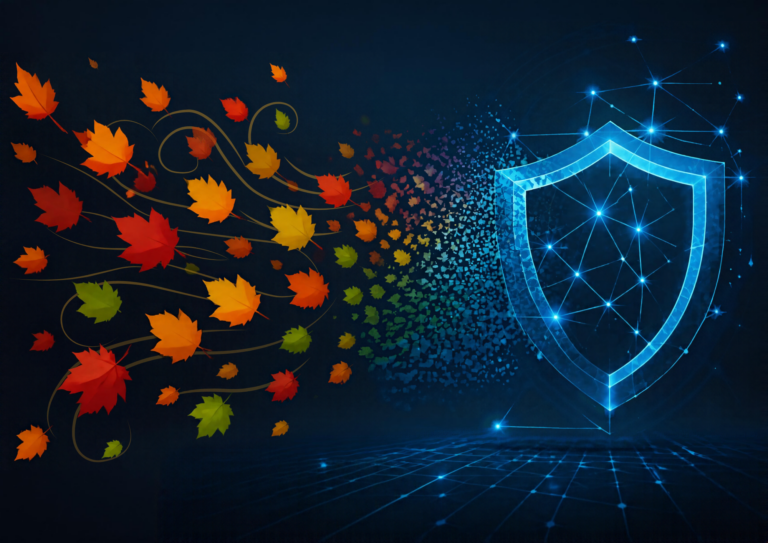
As we look back on the previous months, we know cybersecurity has changed; we see more businesses adopting AI, incorporating more automation, and, ultimately, accepting more risk. The risk landscape is both familiar and different. AI has introduced many relevant areas we should have already addressed with the previous risk environment.
When it comes down to it, risk is still risk but changes in technology mean we must review at a much deeper level. Many IT tools now have robust compliance and audit features to help drive governance and analytics we didn’t have before. Cybersecurity risk is impacting much more than IT systems, it’s impacting the business model and business decisions, creating business risk.
.
What is Business Risk?
This is simple. It’s the possibility of a decision, a threat, or some failure that prevents a business from achieving its objectives. Technology risk, cyber risk, third-party risk, fraud risk, and AI risk may sound different, but they all lead to the same destination: business risk. For many, the objectives will be to serve its customers likely through some technology platform hosted online such as a SaaS application or maybe it’s a physical good that uses technology to make precise measurements to ensure materials are within acceptable quality control limits.
Whatever it is, leaders need to be aware that incidents no longer impact just the IT systems they are buying into. Its effects ripple across the entire organization, impacting operations, revenue, reputation, regulatory compliance, strategy, customer trust; in other words, the business itself.
What should we do?
Leadership should stop viewing cybersecurity solely as a technology concern and start viewing it as a business function. Evaluating how an incident affects our customers, how it impacts operations, how it impacts our financial state and the damage it can do to our reputation; these are all business questions, not technical ones.
Basically, as with many cybersecurity incidents, it’s not just felt in the IT department, the entire business is impacted. Leaders can use these questions and more to help frame their needs and help create strong, secure solutions that ensure continuity at more than just the IT level.
Artificial Intelligence presents both opportunity and risk. Organizations are discovering new ways to increase efficiency, improve decision-making, and automate processes.
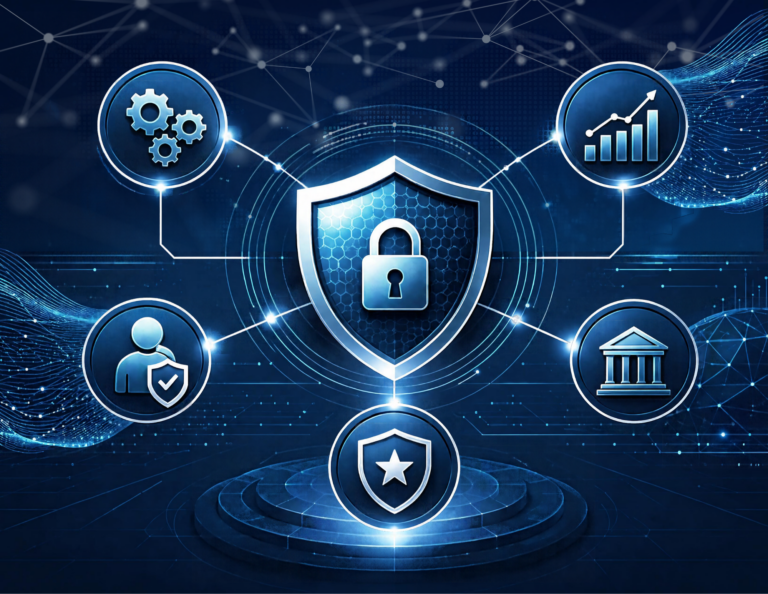
At the same time, many are still determining how to govern these tools appropriately. The organizations that succeed will be those that balance innovation with oversight. Start with policies, define acceptable use cases, establish approval processes, and continuously monitor outcomes. Strong governance allows businesses to realize the benefits of AI while managing risk appropriately.
Why is Business Risk important for Cybersecurity Month?
Because the conversation has evolved. Cybersecurity is no longer just about firewalls, malware, or system vulnerabilities. It is about protecting the organization’s ability to achieve its objectives. As technology becomes increasingly connected to business operations, every cyber incident carries potential consequences for revenue, operations, reputation, compliance, and customer trust.
This Cybersecurity Awareness Month, leaders should move beyond asking, “What happens if an IT system fails?” and begin asking, “How would the business be impacted if technology failed tomorrow?” The answer often reveals risks that traditional technology discussions can miss.
As the seasons change and technology continues to evolve, one principle remains constant: cybersecurity is a business risk. And managing it effectively is everyone’s responsibility.
Want to know more about how Lasco can help improve your cybersecurity? Email cysec@lascoinc.com or call 906-228-9720 (800-800-6197 toll free).